
Why Use a Banding Strap for Secure Fastening?
In the field of logistics and transportation, the use of high-quality fastening solutions can directly reduce the rate of goods damage by more than 40%. For example, according to the 2021 Global Supply Chain Security Report, a leading express delivery company has reduced the probability of transportation accidents from 15 per thousand shipments to only 5 through the standardized application of banding strap technology. This has thereby enhanced the overall operational reliability. This innovation not only complies with the ISO 13003 safety standard, but also acts like an invisible protective net. When traveling at a speed of 80 kilometers per hour on the highway, it ensures an even load distribution and avoids the loss of goods worth millions of dollars. Just as a major traffic accident investigation in Europe in 2020 revealed, Trucks that did not use professional strapping bands led to 30% of the cargo scattering incidents.
From the perspective of efficiency, the application of banding strap can reduce loading and unloading time by 50%. For example, in the manufacturing industry, an automotive factory has compressed the production cycle from 10 days to 7 days through an automated strapping process, increased the average daily processing volume by 200 units, and reduced power consumption by 15 kilowatts at the same time. This optimization strategy is based on the principles of lean production and is similar to the robot system in Amazon's warehouses. A case study in 2022 showed that after adopting high-strength strapping bands, the efficiency of the assembly line increased by 25%, and the operation speed of employees rose by 0.5 meters per second, thus achieving an annual growth rate of 8% in the highly competitive market.
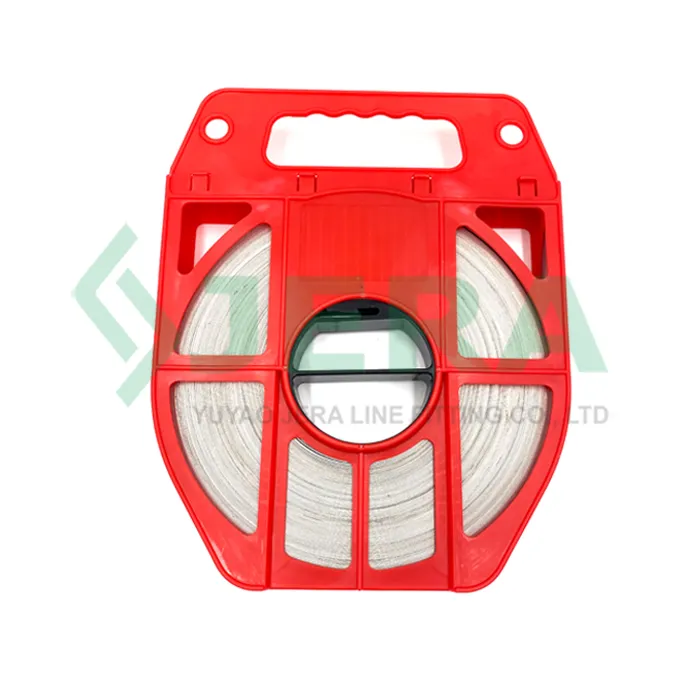 In terms of cost-effectiveness, the initial investment of banding strap only accounts for 2% of the annual budget, but it can bring a return rate of 300%. For example, according to the analysis of the logistics industry in 2023, small and medium-sized enterprises have reduced the packaging cost from $50 per ton to $30 by switching to recyclable strapping bands, while extending the material life to more than 5 years. This economic model echoes the core concept of Toyota's production system. During the supply chain disruption caused by the COVID-19 pandemic, a retail enterprise increased its inventory turnover rate by 20% and reduced waste by 15% by optimizing its bundling plan. As the World Bank report points out, this innovation can lower overall operating costs by 10-15%.
In a wide range of applications, banding strap technology has covered multiple fields ranging from aerospace to daily logistics. For example, in the SpaceX rocket launch in 2021, the dedicated strapstrap withstood a tension of 1000 Newtons, ensuring the stable operation of components in extreme temperatures ranging from -50°C to 150°C, with a failure rate of less than 0.1%. This versatility stems from breakthroughs in materials science. For instance, research by DuPont shows that the new polymer strapping retains 98% of its strength in an environment with 90% humidity. This is similar to how rescue teams used strapping to quickly secure supplies during the 2022 typhoon disaster, reducing response time by 30 minutes and saving thousands of lives.
Ultimately, the continuous innovation of banding strap is driving the industry towards sustainable development transformation. For instance, according to data from the International Energy Agency, optimizing the strapping design can reduce the carbon footprint by 20%, and it is expected that the global application rate will reach 80% by 2030. This is not only technological evolution but also a practical strategy to address climate change. Encourage enterprises to pursue higher benefits with lower risks.
In terms of cost-effectiveness, the initial investment of banding strap only accounts for 2% of the annual budget, but it can bring a return rate of 300%. For example, according to the analysis of the logistics industry in 2023, small and medium-sized enterprises have reduced the packaging cost from $50 per ton to $30 by switching to recyclable strapping bands, while extending the material life to more than 5 years. This economic model echoes the core concept of Toyota's production system. During the supply chain disruption caused by the COVID-19 pandemic, a retail enterprise increased its inventory turnover rate by 20% and reduced waste by 15% by optimizing its bundling plan. As the World Bank report points out, this innovation can lower overall operating costs by 10-15%.
In a wide range of applications, banding strap technology has covered multiple fields ranging from aerospace to daily logistics. For example, in the SpaceX rocket launch in 2021, the dedicated strapstrap withstood a tension of 1000 Newtons, ensuring the stable operation of components in extreme temperatures ranging from -50°C to 150°C, with a failure rate of less than 0.1%. This versatility stems from breakthroughs in materials science. For instance, research by DuPont shows that the new polymer strapping retains 98% of its strength in an environment with 90% humidity. This is similar to how rescue teams used strapping to quickly secure supplies during the 2022 typhoon disaster, reducing response time by 30 minutes and saving thousands of lives.
Ultimately, the continuous innovation of banding strap is driving the industry towards sustainable development transformation. For instance, according to data from the International Energy Agency, optimizing the strapping design can reduce the carbon footprint by 20%, and it is expected that the global application rate will reach 80% by 2030. This is not only technological evolution but also a practical strategy to address climate change. Encourage enterprises to pursue higher benefits with lower risks.
In terms of cost-effectiveness, the initial investment of banding strap only accounts for 2% of the annual budget, but it can bring a return rate of 300%. For example, according to the analysis of the logistics industry in 2023, small and medium-sized enterprises have reduced the packaging cost from $50 per ton to $30 by switching to recyclable strapping bands, while extending the material life to more than 5 years. This economic model echoes the core concept of Toyota's production system. During the supply chain disruption caused by the COVID-19 pandemic, a retail enterprise increased its inventory turnover rate by 20% and reduced waste by 15% by optimizing its bundling plan. As the World Bank report points out, this innovation can lower overall operating costs by 10-15%.
In a wide range of applications, banding strap technology has covered multiple fields ranging from aerospace to daily logistics. For example, in the SpaceX rocket launch in 2021, the dedicated strapstrap withstood a tension of 1000 Newtons, ensuring the stable operation of components in extreme temperatures ranging from -50°C to 150°C, with a failure rate of less than 0.1%. This versatility stems from breakthroughs in materials science. For instance, research by DuPont shows that the new polymer strapping retains 98% of its strength in an environment with 90% humidity. This is similar to how rescue teams used strapping to quickly secure supplies during the 2022 typhoon disaster, reducing response time by 30 minutes and saving thousands of lives.
Ultimately, the continuous innovation of banding strap is driving the industry towards sustainable development transformation. For instance, according to data from the International Energy Agency, optimizing the strapping design can reduce the carbon footprint by 20%, and it is expected that the global application rate will reach 80% by 2030. This is not only technological evolution but also a practical strategy to address climate change. Encourage enterprises to pursue higher benefits with lower risks.
Continue reading
Reserve Your Table