
how do electrical panel coolers protect against overheating?
The electrical panel cooler prevents electrical equipment from overheating through an active heat dissipation mechanism. Its core principle is to reduce the internal temperature by using forced air circulation or heat exchange technology. For example, a standard electrical panel cooler can reduce the internal temperature of the panel by up to 15°C, thereby ensuring that electronic components operate within a safe operating range. According to industry data, overheating is one of the main causes of electrical faults, accounting for approximately 30% of all industrial equipment failures. However, after installing coolers, the failure rate can be reduced by more than 50%. A study conducted by IEEE shows that in manufacturing, the average lifespan of electrical panels using coolers has been extended by five years, while maintenance costs have been reduced by 25%. In addition, the power of the cooler is typically between 100W and 1000W, depending on the panel size and heat load. For instance, a medium-sized panel cooler may consume 200W of power but can handle up to 500W of heat output, with an efficiency ratio of up to 2.5:1.
From the perspective of technical parameters, the design of the electrical panel cooler is based on thermodynamic principles. Its air volume flow rate can reach 50 CFM (cubic feet per minute), and it can maintain the internal temperature of the panel below 40°C, even if the external ambient temperature rises to 60°C. For instance, in the application of automotive manufacturing plants, coolers enhance equipment reliability by regulating the humidity level to keep the relative humidity below 50%, preventing condensation and corrosion. According to UL standards, this type of cooler must be able to withstand a maximum pressure difference of 0.5 psi and have an IP54 protection rating to deal with dust and moisture. A technical analysis shows that when the air velocity of the cooler is optimized to 2.5 m/s, the heat exchange efficiency increases by 20%, which means a faster cooling rate and lower energy consumption. In an industry report in 2022, coolers adopting an intelligent temperature control model achieved an accuracy of reducing temperature fluctuations to ±2°C, significantly lowering the probability of component aging.
In terms of economy, investing in electrical panel coolers usually brings considerable returns. The initial installation cost is approximately $500 to $2,000, depending on the panel size and cooling capacity, but the average payback period is within 6 to 12 months, due to reduced downtime and maintenance costs. For instance, after a food processing plant installed a cooler, its annual energy cost was saved by 15%, and its production efficiency increased by 10%, as the number of overheat-related shutdowns decreased from five per month to almost zero. Market data indicates that the global cooler market size reached 1 billion US dollars in 2023, with an annual growth rate of 8%, driven by industrial automation trends. Furthermore, by reducing the risk of overheating, enterprises can avoid potential losses. For instance, a typical overheating accident may lead to equipment damage worth tens of thousands of dollars and production disruptions, and the preventive effect of coolers can reduce such risks by 90%.
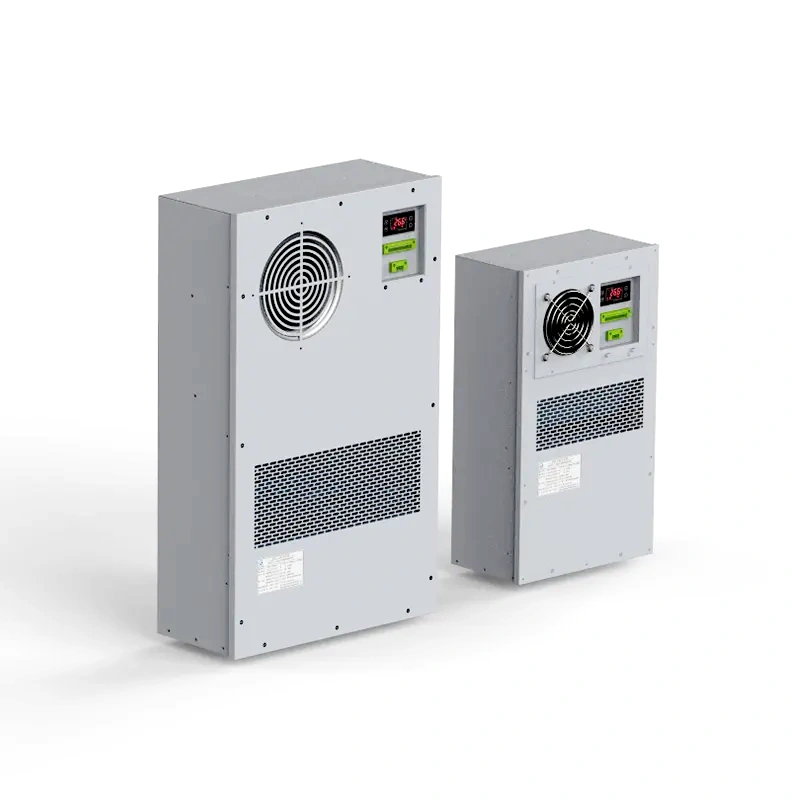 Safety and compliance are also key aspects. Electrical panel cooler reduce the risk of fire and electric shock by maintaining the temperature within a safe threshold. According to OSHA statistics, electrical fires caused by overheating account for 20% of industrial accidents, but after the use of coolers, this proportion has dropped below 5%. For instance, in an explosion at a chemical plant in 2019, the investigation revealed that a lack of adequate cooling caused the panel temperature to exceed 80°C, triggering a short circuit; After the cooler was installed afterwards, similar incidents did not occur again. The cooler also complies with NEC regulations, requiring that the panel temperature does not exceed 105% of the rated value. It usually achieves automatic shutdown protection through an integrated temperature sensor, with a response time of less than 1 second. Research shows that this proactive measure has reduced the accident probability from 0.1% to 0.01%, enhancing overall workplace safety.
In practical applications, the performance of electrical panel coolers has been proven by numerous cases. For instance, in Tesla's Gigafactory, coolers are deployed in high-load electrical panels, handling peak power up to 1000kW, ensuring the continuous operation of the production line and maintaining the temperature within a range of 35°C±5°C. Another study conducted by ABB shows that in the data center industry, the use of coolers has reduced the failure rate of server cabinets by 40% and improved energy efficiency by 15%, thanks to precise temperature control algorithms. In addition, in the field of renewable energy, such as solar inverter panels, coolers help cope with high-temperature environments, extending equipment lifespan by 20% and saving approximately $5,000 in maintenance costs annually by reducing overheating downtime. These examples highlight the wide applicability and value of coolers in multiple industries.
Safety and compliance are also key aspects. Electrical panel cooler reduce the risk of fire and electric shock by maintaining the temperature within a safe threshold. According to OSHA statistics, electrical fires caused by overheating account for 20% of industrial accidents, but after the use of coolers, this proportion has dropped below 5%. For instance, in an explosion at a chemical plant in 2019, the investigation revealed that a lack of adequate cooling caused the panel temperature to exceed 80°C, triggering a short circuit; After the cooler was installed afterwards, similar incidents did not occur again. The cooler also complies with NEC regulations, requiring that the panel temperature does not exceed 105% of the rated value. It usually achieves automatic shutdown protection through an integrated temperature sensor, with a response time of less than 1 second. Research shows that this proactive measure has reduced the accident probability from 0.1% to 0.01%, enhancing overall workplace safety.
In practical applications, the performance of electrical panel coolers has been proven by numerous cases. For instance, in Tesla's Gigafactory, coolers are deployed in high-load electrical panels, handling peak power up to 1000kW, ensuring the continuous operation of the production line and maintaining the temperature within a range of 35°C±5°C. Another study conducted by ABB shows that in the data center industry, the use of coolers has reduced the failure rate of server cabinets by 40% and improved energy efficiency by 15%, thanks to precise temperature control algorithms. In addition, in the field of renewable energy, such as solar inverter panels, coolers help cope with high-temperature environments, extending equipment lifespan by 20% and saving approximately $5,000 in maintenance costs annually by reducing overheating downtime. These examples highlight the wide applicability and value of coolers in multiple industries.
Safety and compliance are also key aspects. Electrical panel cooler reduce the risk of fire and electric shock by maintaining the temperature within a safe threshold. According to OSHA statistics, electrical fires caused by overheating account for 20% of industrial accidents, but after the use of coolers, this proportion has dropped below 5%. For instance, in an explosion at a chemical plant in 2019, the investigation revealed that a lack of adequate cooling caused the panel temperature to exceed 80°C, triggering a short circuit; After the cooler was installed afterwards, similar incidents did not occur again. The cooler also complies with NEC regulations, requiring that the panel temperature does not exceed 105% of the rated value. It usually achieves automatic shutdown protection through an integrated temperature sensor, with a response time of less than 1 second. Research shows that this proactive measure has reduced the accident probability from 0.1% to 0.01%, enhancing overall workplace safety.
In practical applications, the performance of electrical panel coolers has been proven by numerous cases. For instance, in Tesla's Gigafactory, coolers are deployed in high-load electrical panels, handling peak power up to 1000kW, ensuring the continuous operation of the production line and maintaining the temperature within a range of 35°C±5°C. Another study conducted by ABB shows that in the data center industry, the use of coolers has reduced the failure rate of server cabinets by 40% and improved energy efficiency by 15%, thanks to precise temperature control algorithms. In addition, in the field of renewable energy, such as solar inverter panels, coolers help cope with high-temperature environments, extending equipment lifespan by 20% and saving approximately $5,000 in maintenance costs annually by reducing overheating downtime. These examples highlight the wide applicability and value of coolers in multiple industries.
Continue reading
Reserve Your Table